

Ready to Rock: Learning about Lava rocks and the forces of nature that make them
Beyond the sun, sand, and surf, a Hawaiian vacation invites deeper exploration. The Big Island, with its majestic volcanoes, offers a rich tapestry of geological wonders and diverse climate zones. From lush rainforests to serene grassy plains, this enchanting island is a gateway to understanding the powerful forces that shape our planet. In our tranquil Volcano Village community, you can immerse yourself in the beauty of nature while learning about the dynamic forces at play beneath the Earth’s surface.
At our award-winning Volcano Bed and Breakfast, just a short drive from Hawaii Volcanoes National Park—you can embark on an unforgettable adventure. Here, you will delve into the fascinating world of lava rocks, their significance in Hawaiian culture, and their vital role in the unique landscape that surrounds you.
What Are Lava Rocks?
Lava rocks are formed from cooled lava, the molten rock that emerges during a volcanic eruption. While many people picture Hawaii when they think about volcanic rock, various types of lava rock can be found across the Earth, shaped over millennia. Here in Hawaii, however, you’ll encounter some of the freshest lava rock, born from the very heart of the island.
Lava primarily comprises rocks heated deep within the Earth until they become liquid. The resulting rock type depends on how the lava cools:
- Intrusive Igneous Rocks form when magma cools slowly below the surface, allowing crystals to develop over thousands or millions of years. This results in a coarse texture—think of granite.
- Extrusive Igneous Rocks: When lava reaches the cooler surface quickly, it solidifies rapidly, creating smooth or glassy textures like obsidian. The rapid cooling often traps gas bubbles, giving rise to porous forms like pumice.
Additionally, some lava rocks are metamorphic, altered by immense heat and pressure when interacting with magma. Under such conditions, limestone can transform into marble.

The Cultural Significance of Lava Rocks in Hawaii
The island of Hawaii is layered with extrusive igneous rock, a testament to its volcanic history. Each eruption reshapes the landscape, and the Native Hawaiians revere these flows as manifestations of Pele, the goddess of volcanoes, who creates and rejuvenates the land. Beyond its spiritual meaning, lava rock is the foundation upon which all life in the Hawaiian Islands thrives.
Why It’s Illegal to Take Lava Rocks from Hawaii
Respecting Hawaii’s natural beauty and cultural heritage is essential. Removing lava rocks from the island not only disrespects its natural resources but can also disrupt historical sites and native species. Moreover, folklore warns that taking a piece of Pele’s domain may result in a curse, further emphasizing the importance of leaving nature untouched.
What is the Environmental Impact of Lava Rock?
Lava rock is part of the geological process and, as such, is considered to have little environmental impact over the long term. However, the formation of lava rock changes the island and its environment with each eruption. Consider the Devastation Trail, an easy mile-long trail off Crater Rim Drive. The 1959 Kilauea Iki Eruption rained down cinder and fountains of lava that quickly cooled to rock. Today, the area remains like something out of another world, coated with dark volcanic rock. If you go, please do not stray from the asphalt hiking trail.
Fun Facts About Lava Rocks
Just as there are different types of rock, there are different kinds of lava: mafic, intermediate, and felsic. The type of lava it is of lava affects the color and the speed with which it can move across land. Pumice rock, an extrusive volcanic rock, can float thanks to trapped gas bubbles and low density. As such, volcanic pumice can drift over decades and be found far away from the location of its creation.
Native Hawaiian cultures valued obsidian as the most precious lava rock due to its smooth, dark appearance and lack of grain. Its glassy texture makes it ideal for making tools and decorative objects. A properly worked piece of obsidian made some of the finest cutting tools in the world’s history.
Superstitions and Folklore
In Hawaiian folklore, the molten lava was not a gift from Pele but a manifestation of herself. She is the island, and it’s rock. She considers the stones and sand as she would her children. To take a piece of her would be a considerable violation and is known to bring the thief bad luck or a curse. The curse can only be lifted when the items are returned. However, don’t look to the park’s rangers for help if you feel cursed. A few years ago, Rangers from the National Park on Maui asked people to stop sending rocks back, because it’s a pain to deal with and because tiny invasive species could be hitching a ride to the island. A number of the stores in the area sell lava rock trinkets and jewelry.
How to Appreciate Lava Rocks Responsibly
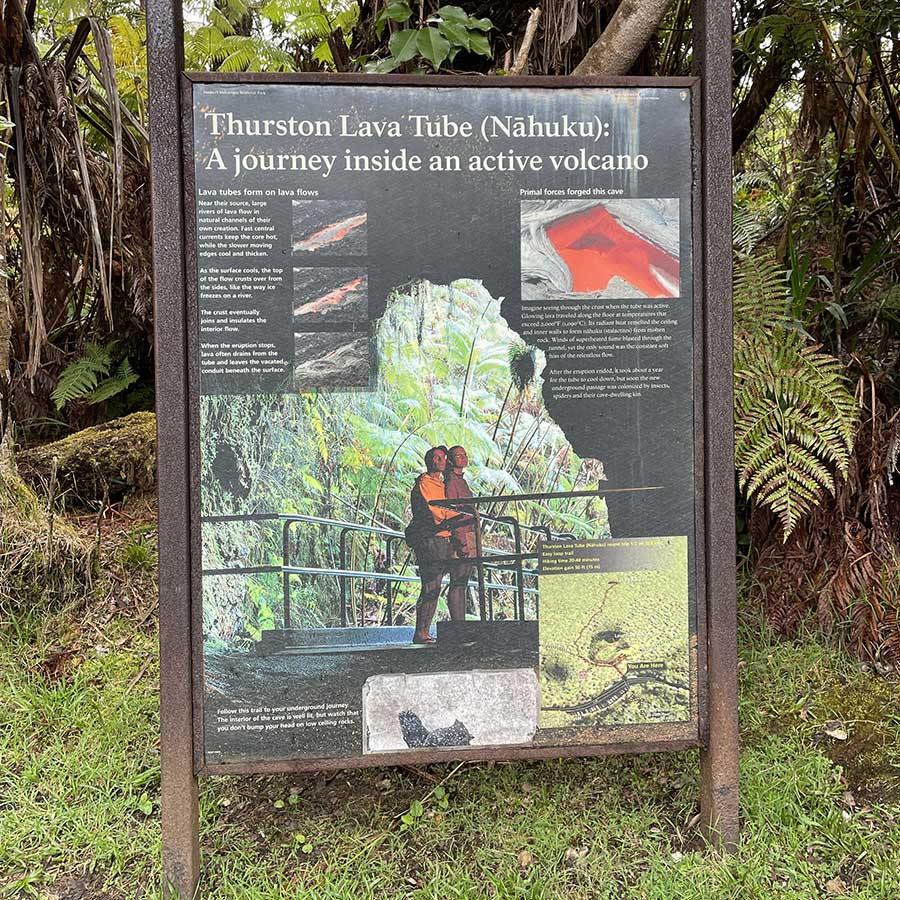
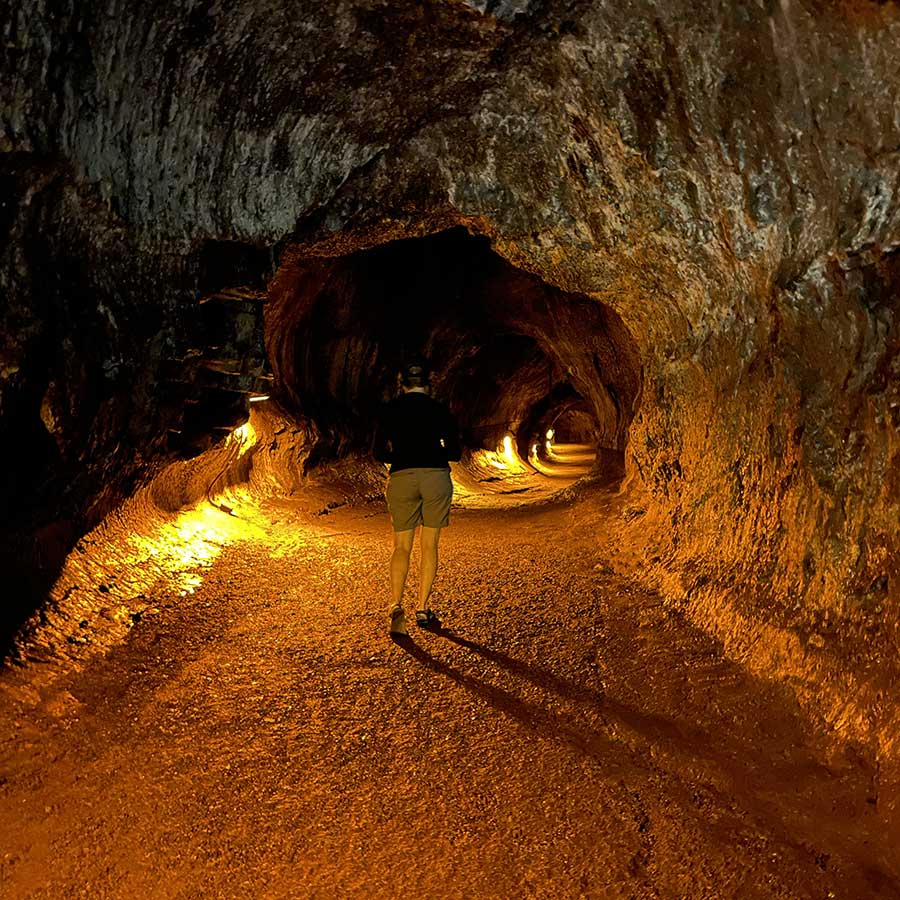
To truly appreciate the beauty of lava rocks, adopt a “look, don’t touch” approach. Begin your day at our Volcano Bed and Breakfast, then venture into the park to explore trails like the Devastation Trail or the Nahuku (Thurston Lava Tube), where you can walk through an ancient lava tube illuminated for your comfort. While in the park, stop by the Visitors Center to learn more about lava rocks and their place within Hawaiian geology and culture. Families can also enjoy the Junior Ranger Program, making it a memorable experience for all ages.
For an additional adventure, consider visiting Punalu’u Black Sand Beach, a stunning coastal gem about 30 minutes from Volcano Village. After your explorations, treat yourself to dinner at Lava Rock Café, a local establishment known for its warm hospitality and proximity to the national park.
Check with the park website to see if there is active lava flow during your stay. The lava does not flow all the time.
We look forward to seeing you soon! Aloha!